Jahresprogramm 2026
2026 Alfried Krupp Prize
Prof. Dr. Raphael Wittkowski

2026 Alfried Krupp Prize

40 Years of the Alfried Krupp Prize

Since 1986, the Alfried Krupp Prize has been presented annually to young scientists who hold a first professorship at a German university in the fields of natural sciences and engineering. It is one of the most highly endowed prizes in science and has been awarded to 46 outstanding young researchers to date.

The prize, which is endowed with EUR 1.1 million, is intended to enable the award winners to create an improved working environment and advance their work in research and teaching over a period of five years, independently of public funding.

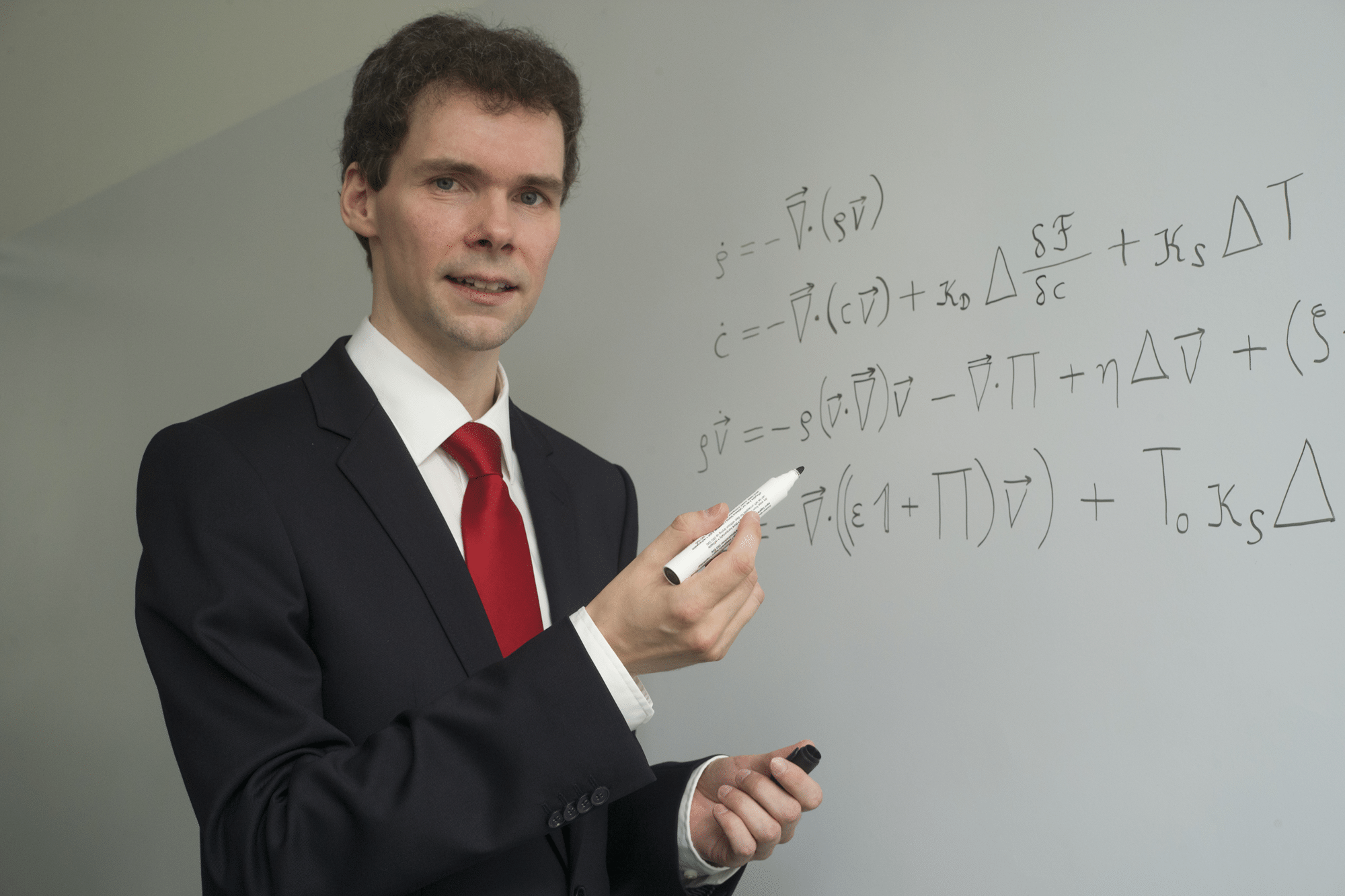
Eine Person im Anzug hält einen Stift vor eine beschriebene Tafel mit mathematischen Formeln und Symbolen.

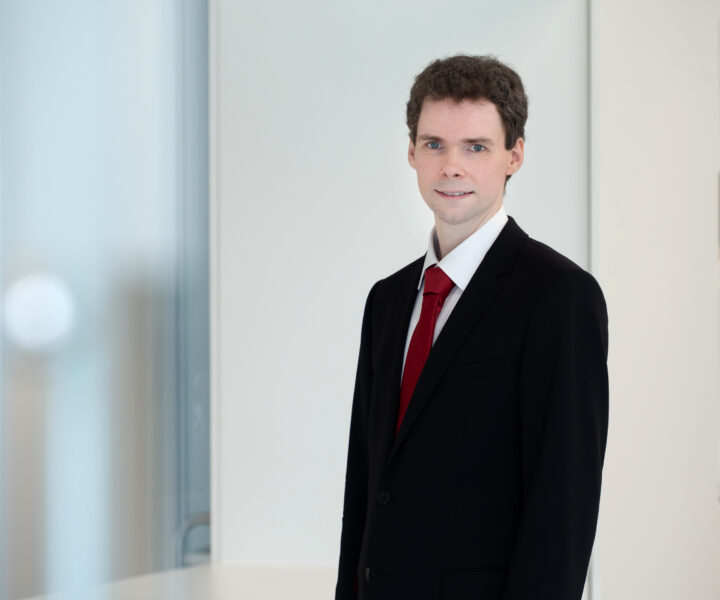
The winner of the 2026 Alfried Krupp Prize: Prof. Dr. Raphael Wittkowski

Prof. Dr. Raphael Wittkowski (38) was appointed to a professorship at the Faculty of Mathematics and Natural Sciences of RWTH Aachen University in 2025, where he holds the Chair of Theory of Active Soft Matter. He is also a member of the Scientific Board of the DWI – Leibniz Institute for Interactive Materials.

Raphael Wittkowski studied physics and mathematics at the Heinrich Heine University in Düsseldorf, Germany. He earned his doctorate in phys­ics at this university for a thesis on the Brownian dynamics of active and passive anisotropic colloidal particles – the motion of particles over time in a liquid or gas caused by thermal fluctuations and (in the case of active particles) self-propulsion. He completed his undergraduate, graduate and doctoral studies in less than half the standard time. He spent two years as a postdoctoral research fellow at the University of Edinburgh, UK, with Prof. Dr. Michael Cates, a highly renowned physicist and currently the successor to Isaac Newton and Stephen Hawking at the University of Cambridge, UK.

Raphael Wittkowski’s contributions to the theory of active soft matter and specifically to sound-propelled microparticles have received wide­spread international acclaim and have also established him as a leading scientist in this field. His work has already received numerous awards and grants, including the EIC Pathfinder Grant from the European Innovation Council, the Heisenberg Grant from the German Research Foundation (DFG), the Emmy Noether Grant and the “Emerging Leader” award from the editorial board of the “Journal of Physics: Condensed Matter”. Raphael Wittkowski substantiates his research with a prolific output of almost 100 publications including leading journals such as Nature and Physical Re­view Letters. His publications have been cited 6,000 times. As well as re­search and publishing, he is also involved in teaching and the promotion of young researchers. He offers courses and supervises Bachelor’s‑, Mas­ter’s and doctoral theses, and involves students and staff in active re­search at an early stage.

About Prof. Dr. Raphael Wittkowski‘s research

Prof. Dr. Raphael Wittkowski conducts research in the field of active soft matter – a new field at the interface between physics, chemistry, engi­neering, biology and medicine. At the core of his work are, in particular, microsystems with their own propulsion mechanism that are controlled using ultrasound, the objective being to identify new opportunities for applications in medicine and technology.

Active soft matter consists of a liquid or soft material with embedded ac­tive particles equipped with a propulsion mechanism. These particles ex­tract energy from their surroundings and convert it into directional mo­tion or forces, thus enabling novel effects. What makes active soft matter special is that, compared to conventional materials, it can manifest ex­traordinary properties. Raphael Wittkowski’s research has helped to trans­form concepts into genuine scientific issues that were long considered unimaginable – such as remote-controlled micro-submarines for targeted drug release or programmable materials that autonomously adapt to their environment.

The systems Professor Wittkowski researches – in particular sound-pro­pelled microparticles, micromachines and microrobots – are relevant to visionary applications in medicine and technology. Acoustically propelled microsystems have key benefits: ultrasound propagates through tissue and other materials, the propulsion mechanism works in liquids and bio­logical tissue and the activity can be modulated remotely by variation of the ultrasound intensity. A representative example of Professor Wittkowski’s research is the 2025 Nature publication “Ultrasound-driven programmable artificial muscles.” In this, together with colleagues, he de­veloped artificial muscles that are supplied with energy by ultrasound and can be precisely controlled. In the future these systems could be used as sensitive soft grippers, as programmably deformable cardiac patches for assisting myocardial contraction or for the targeted delivery of drugs.

Professor Wittkowski’s group has also developed AcoDyn, the most pow­erful simulation software until now for sound-propelled microsystems, and has used it to perform the world’s most complex simulations of such systems. This enabled him to predict important properties of these sys­tems, thus filling a gap in research. He has also developed a method for guiding a large number of acoustically propelled microparticles towards a specified target. With such advances, Professor Wittkowski laid a founda­tion for future medical applications of acoustically propelled microparti­cles, for example for transporting drugs to a specific target within the body with the aim of avoiding the disadvantages of systemic drug distri­bution. When active particles are used in patients in the future, this will make it possible to minimise undesirable side effects such as damage to healthy tissue or avoid unnecessarily high drug doses. One example is conventional chemotherapy, the side effects of which are primarily caused by the systemic distribution of the drugs in the body, which also harms healthy tissue.

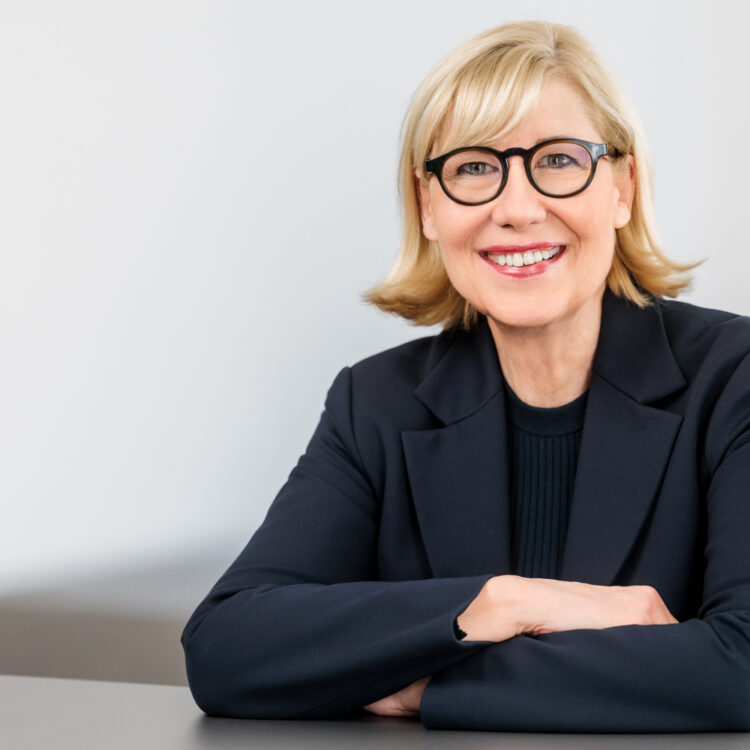
Prof. Dr. Dr. h. c. Ursula Gather, Chairwomen of the Board of Trustees of the Krupp Foundation, seated at a table with her arms folded in front of her, smiling toward the camera.

“In this anniversary year the 2026 Alfried Krupp Prize honours Professor Raphael Wittkowski and his ambitious work in the nascent field of active soft matter. Raphael Wittkowski has discovered fundamental effects in active soft matter, has developed significant models and has advanced methods of statistical physics. Thanks to his research, utopian concepts which until now were more to be found in the vicinity of science fiction have found their way into the scientific realm, with the aim of establishing new and innovative applications in medicine and technology. The Krupp Foundation is highly pleased to support Raphael Wittkowski in the continuation of his work on the development of autonomous sound-propelled microsystems and programmable materials, and its transfer from theory to practical application.”

Prof. Dr. Dr. h.c. Dr. h.c. Ursula Gather, Chairwoman of the Foundation’s Board of Trustees

Impressions from the ceremony

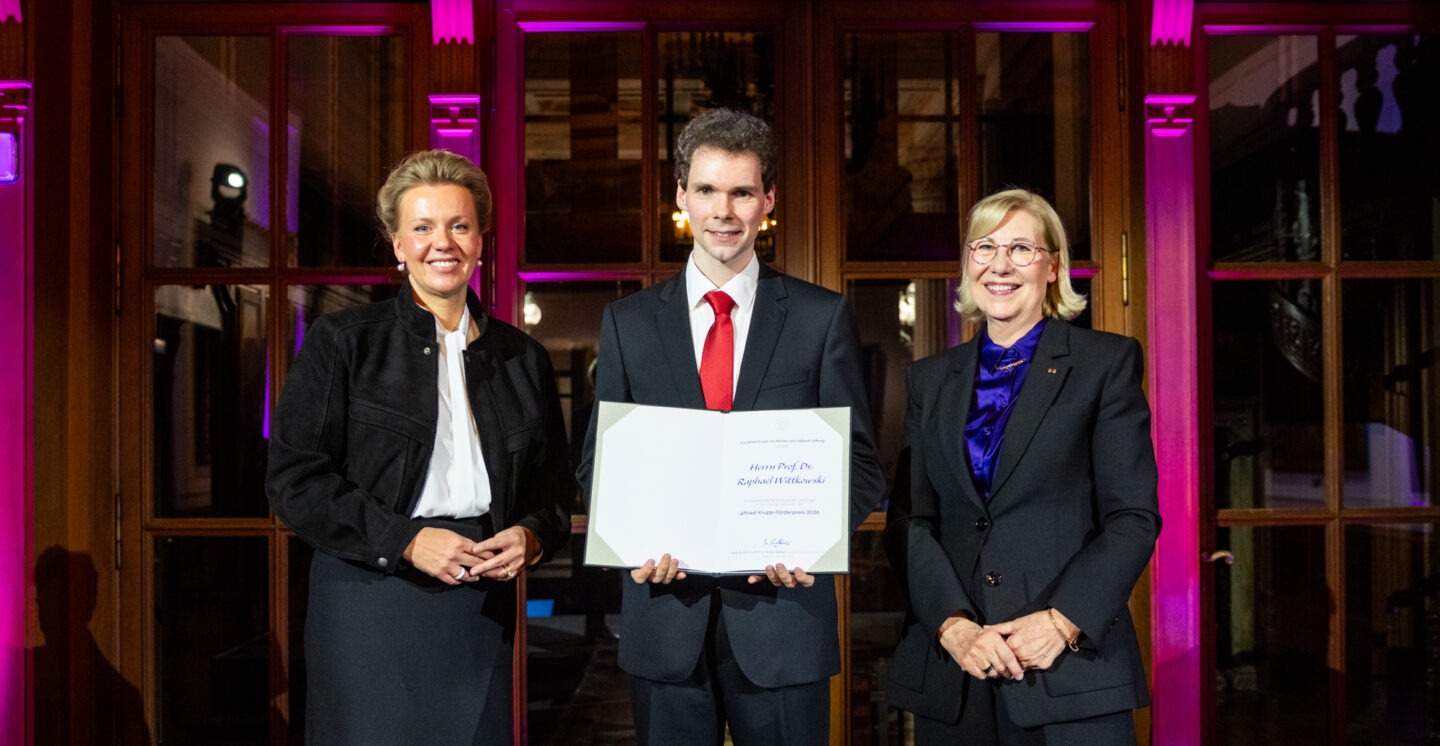
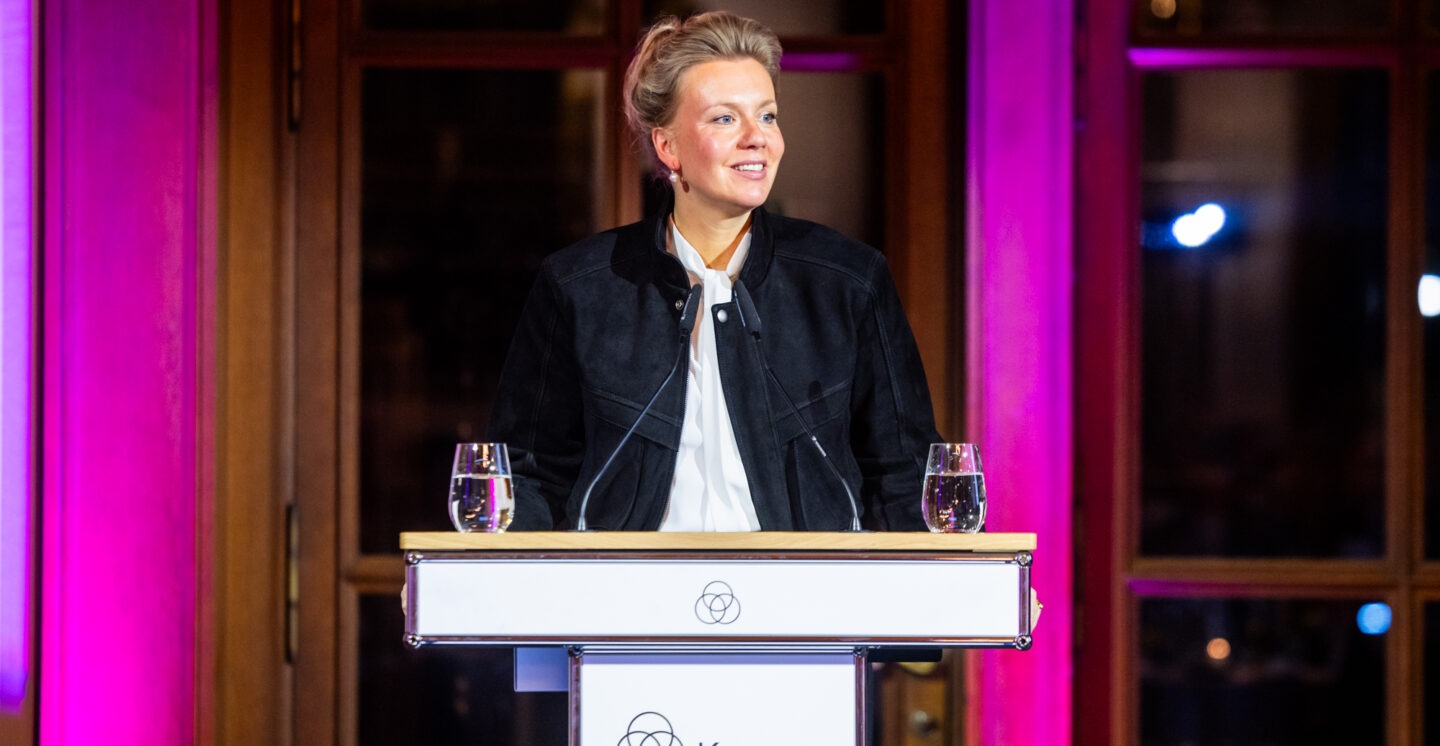
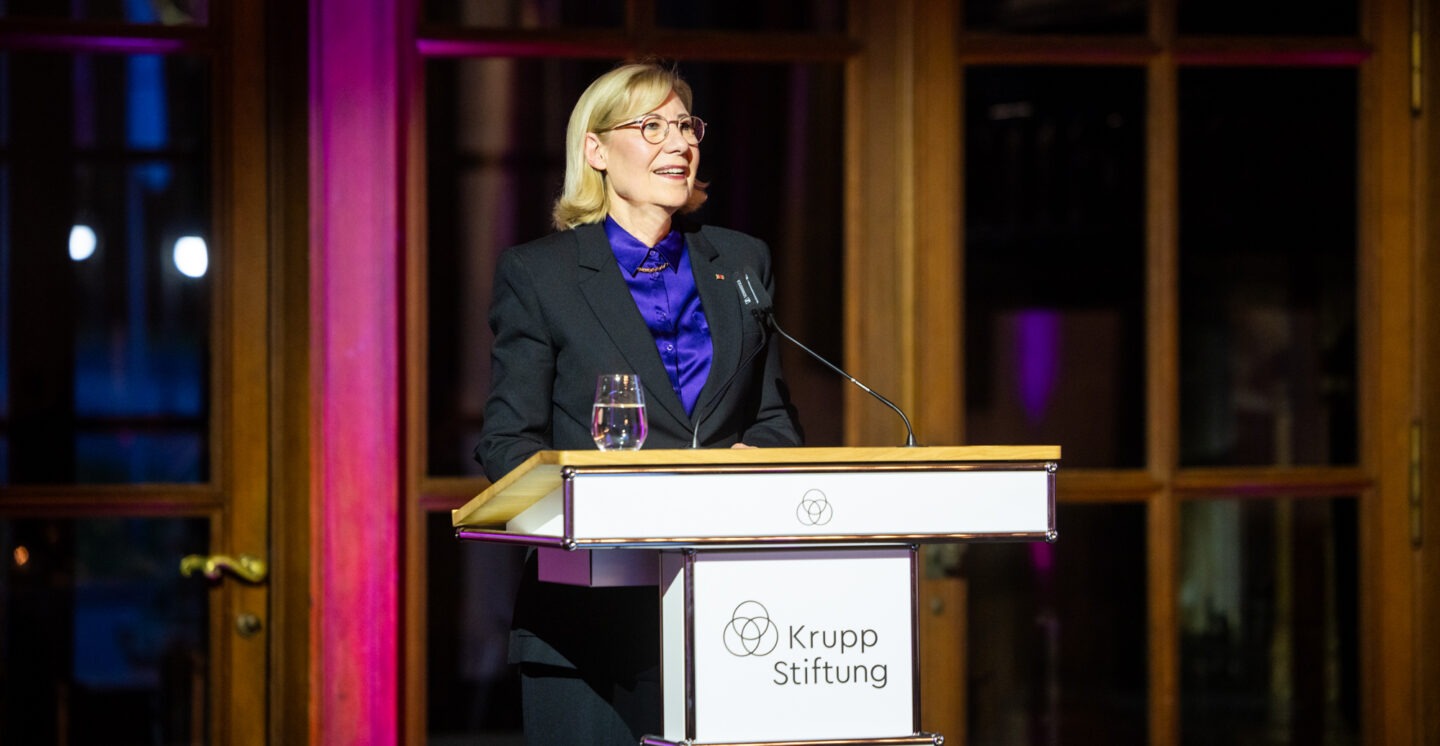
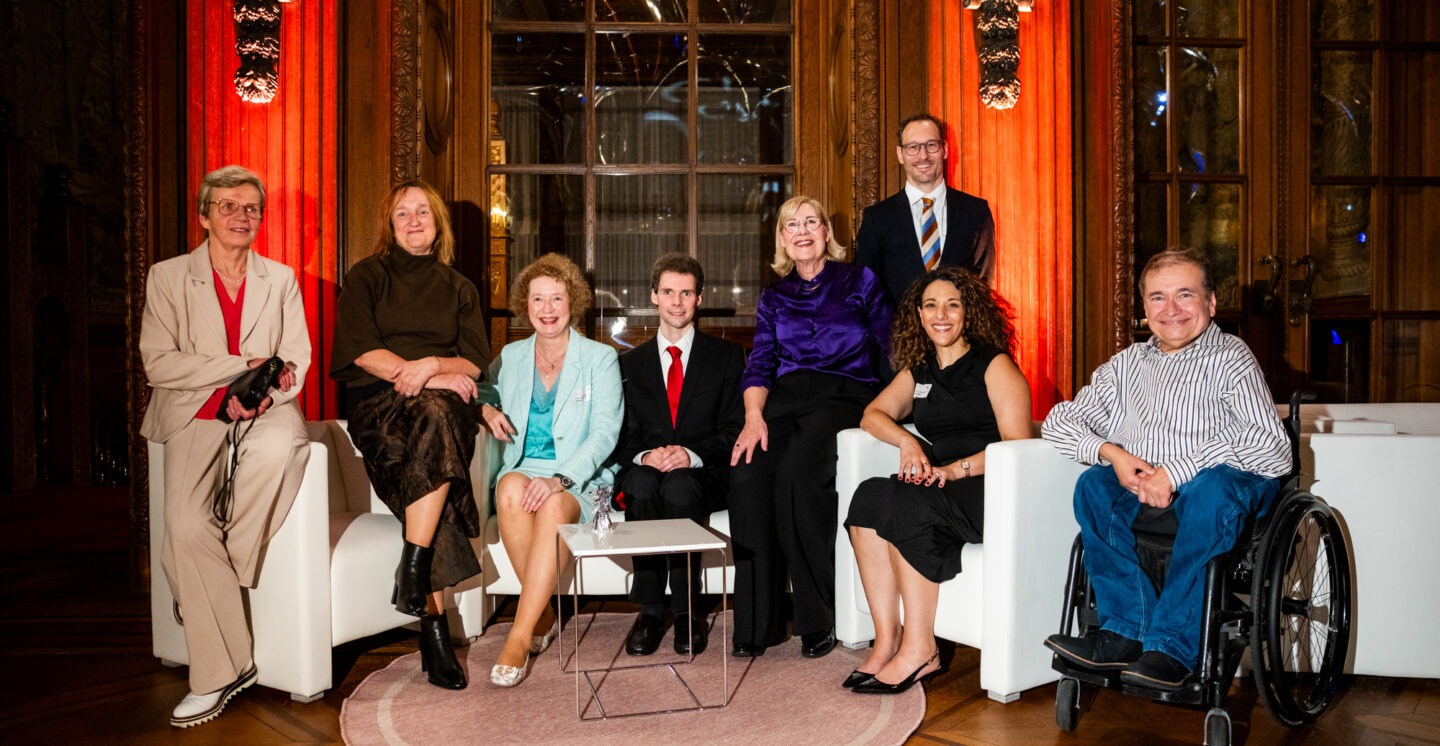
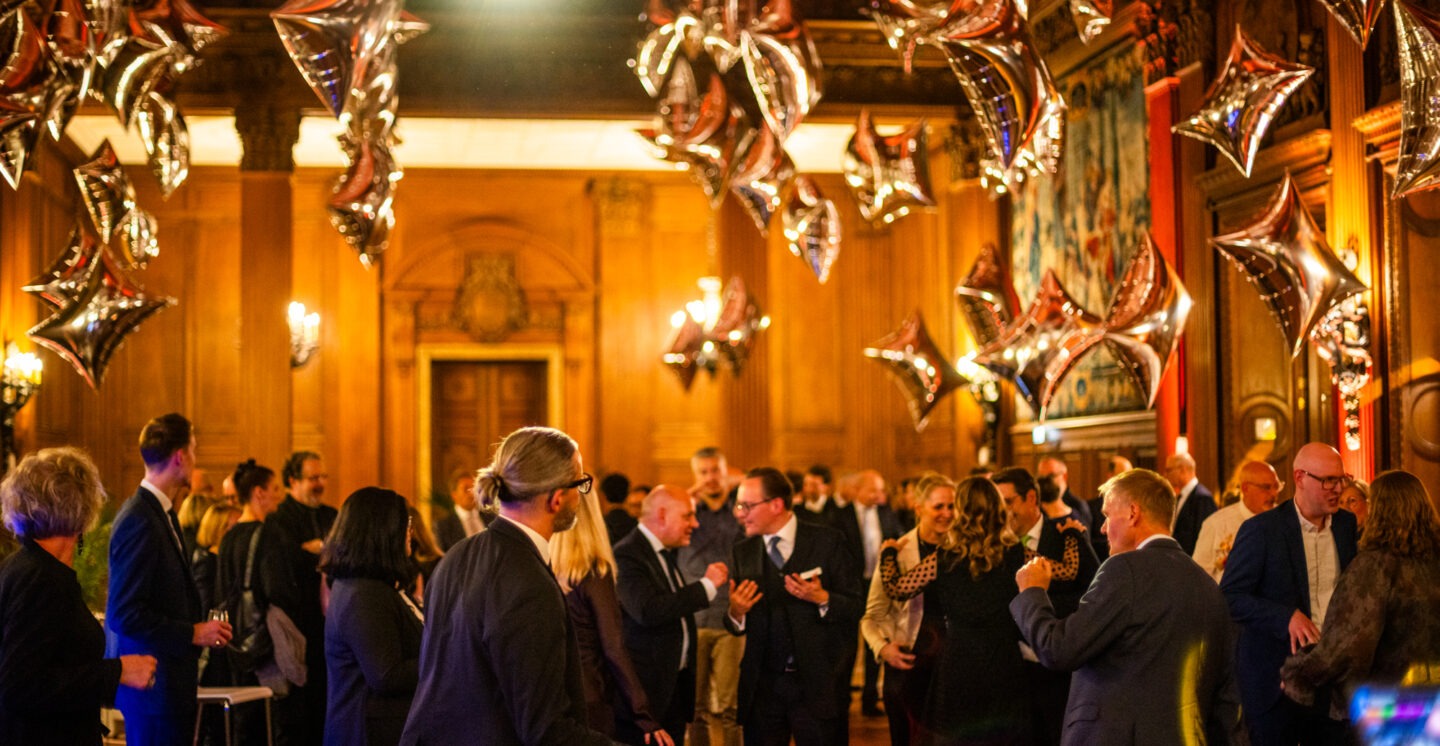
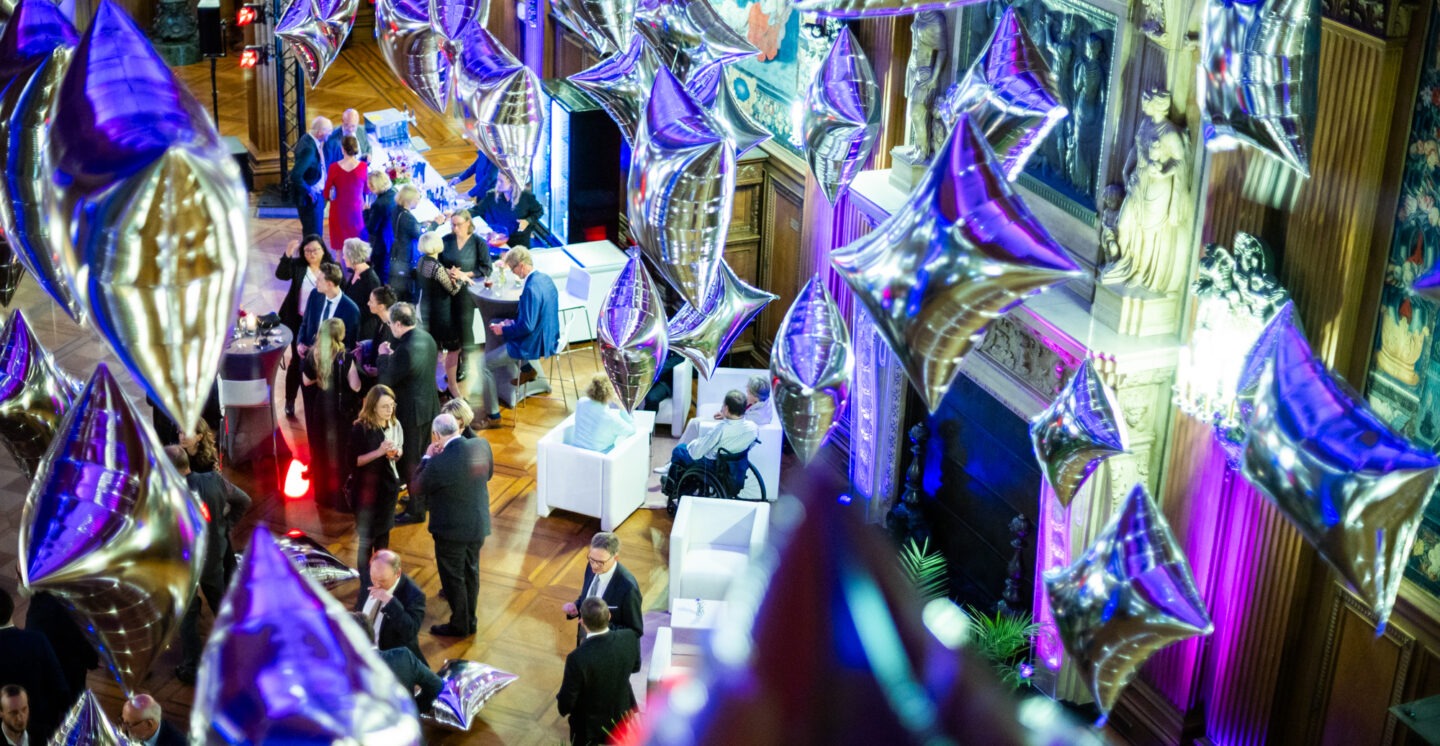
The Alfried Krupp Prize is awarded at Villa Hügel every autumn. Prof. Ursula Gather, Chairwoman of the Foundation’s Board of Trustees, welcomed the guests and opened the evening with a speech. The EUR 1.1 million prize was presented by Ina Brandes MdL, Minister for Culture and Science of the State of North Rhine-Westphalia.

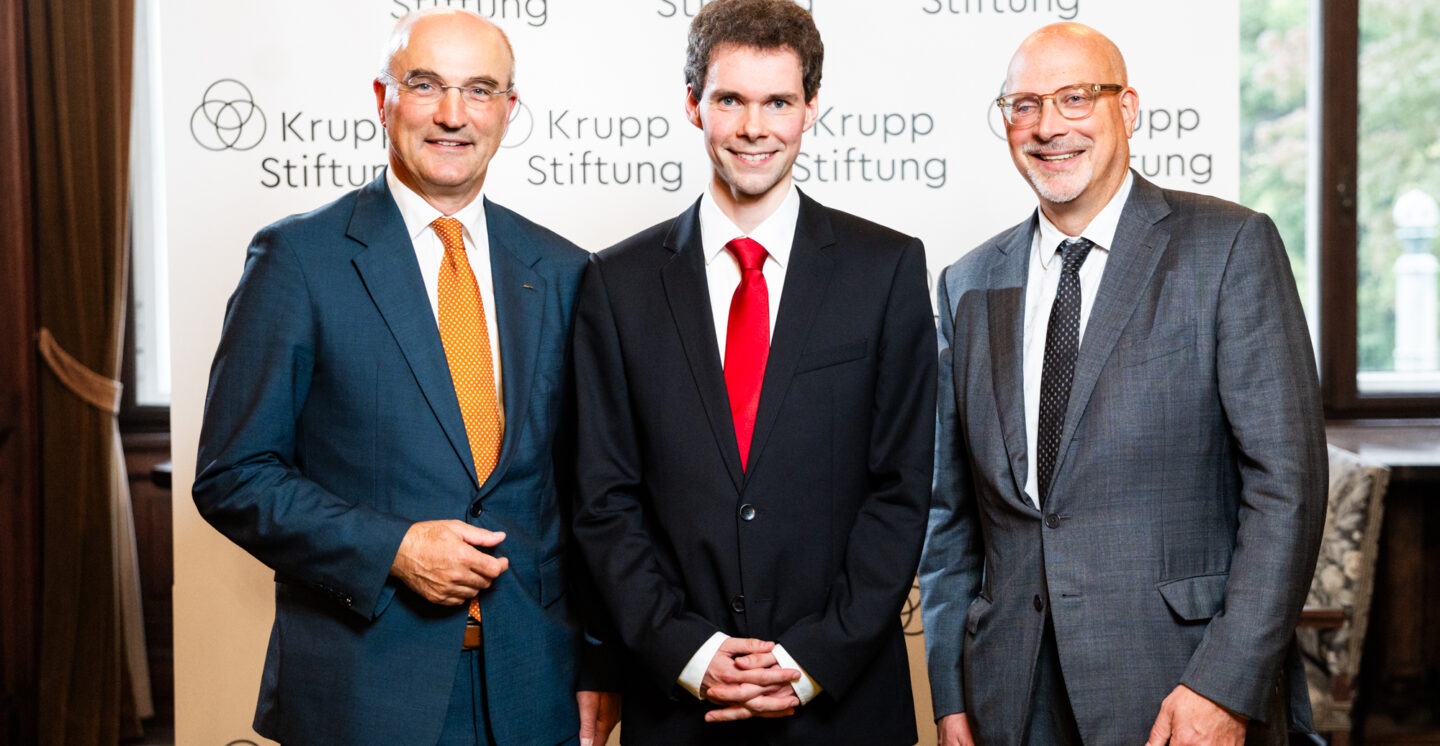
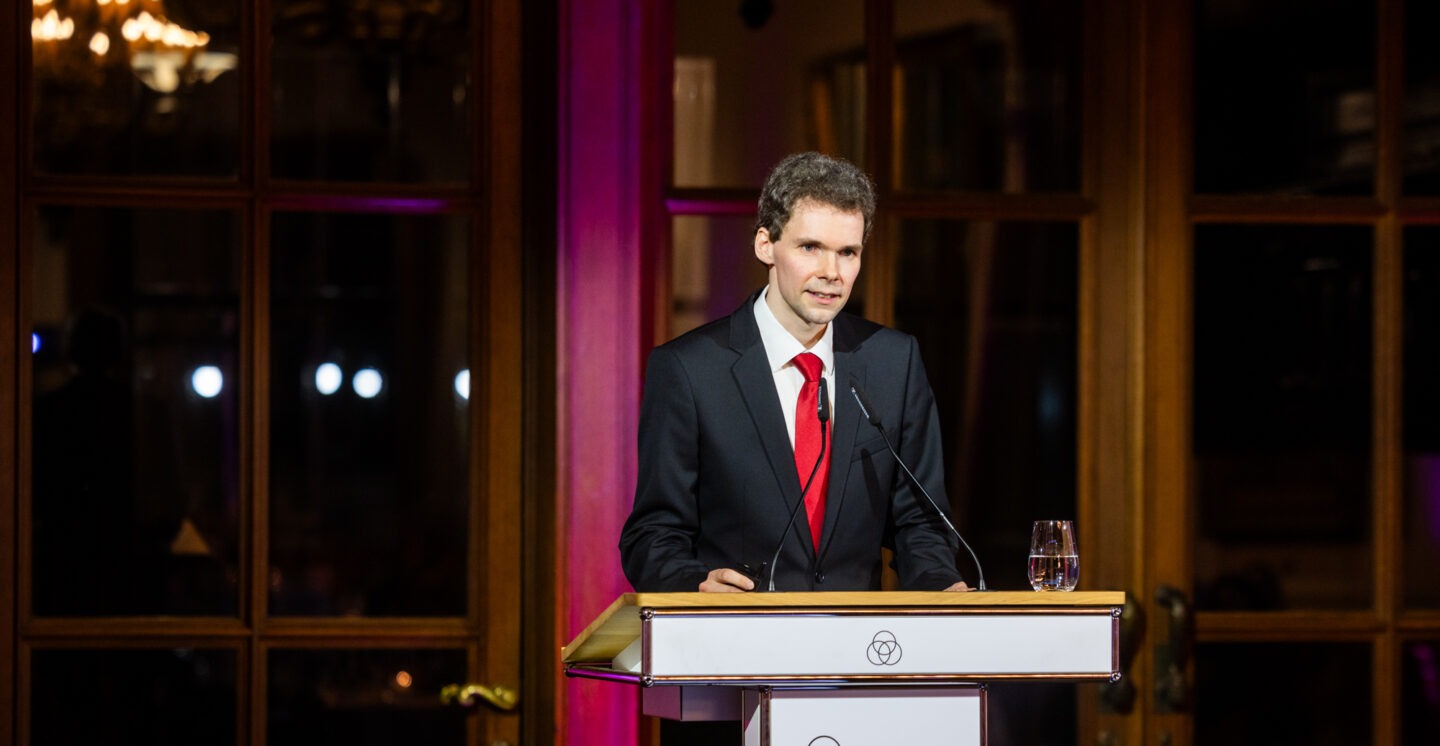
Three people are standing in a richly decorated room; a document is being presented to the camera in the centre. Three men in front of a press wall. Ina Brandes is giving a speech. Prof. Ursula Gather is giving a speech. Prof. Dr. Raphael Wittkowski is giving a speech.

Laudatory speech

The evening was framed by the laudatory speech for Raphael Wittkowski, which was given in the form of a film presenting the perspectives of his companions: Prof. Dr. Michael E. Cates (Lucasian Professor of Mathematics, University of Cambridge), Prof. Dr. Andreas Herrmann (Scientific Director of the DWI – Leibniz-Institute for Interactive Materials), Prof. Dr. Hartmut Löwen (Chair, Institute of Theoretical Physics II, Heinrich-Heine-Universität Düsseldorf), Prof. Dr. rer. nat. Dr. h.c. mult. Ulrich Rüdiger (Rector RWTH Aachen University), Prof. Dr. Karl-Heinz Spatschek (Institute of Theoretical Physics I, Heinrich-Heine-Universität Düsseldorf) and Prof. Dr. Dr. Michael te Vrugt (Institute of Theoretical Physics, Johannes Gutenberg-Universität Mainz) gave an insight into their collaboration with Raphael Wittkowski, explained the field of research and outlined the personality of this exceptional scientist.

Service