
From 30 April 2027 at Villa Hügel: Krupp Foundation presents ‘Memphis’ and contemporary design
The exhibition MAKING SENSE OF THINGS brings together works by the Memphis group with objects by contemporary designers.
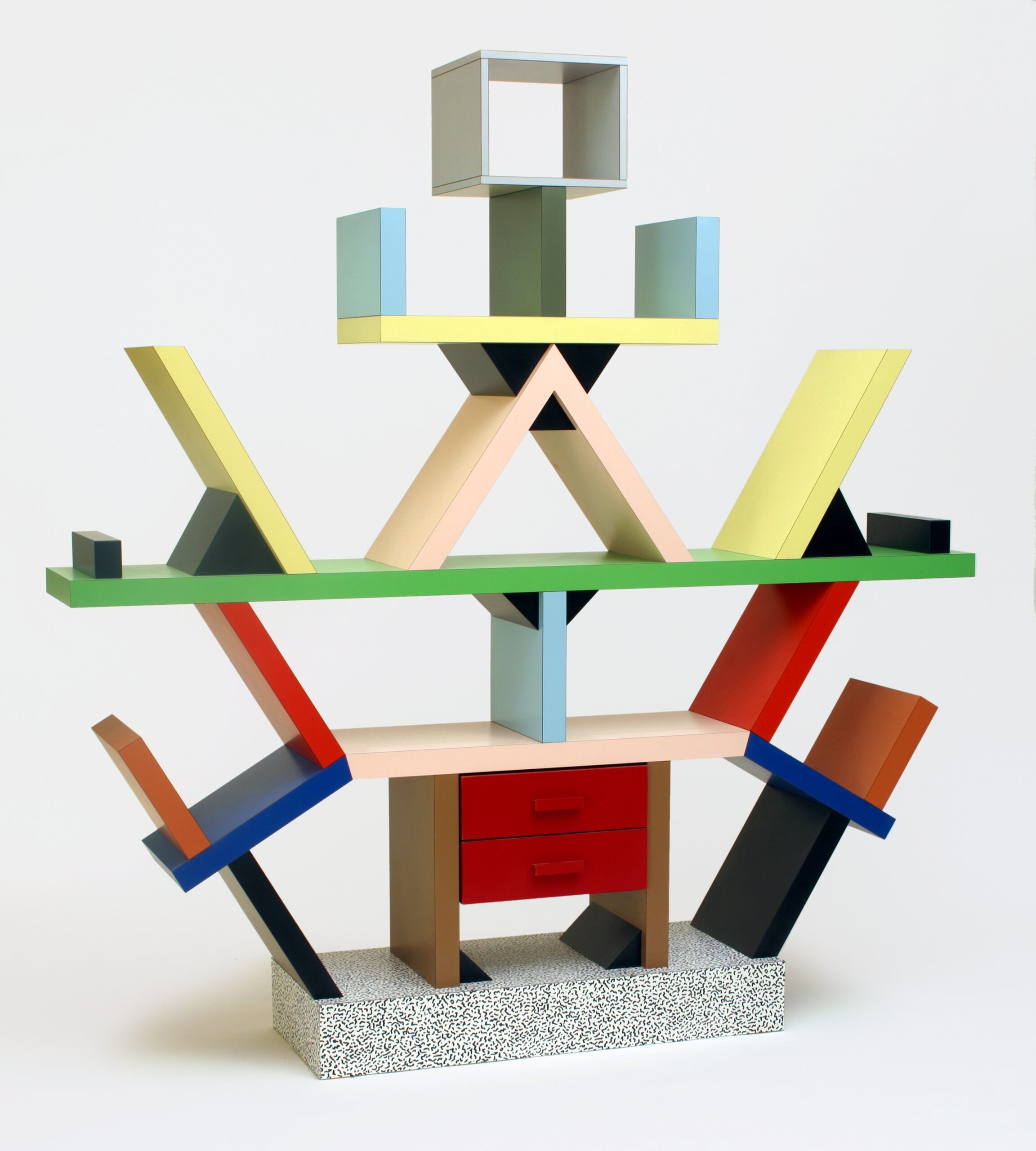

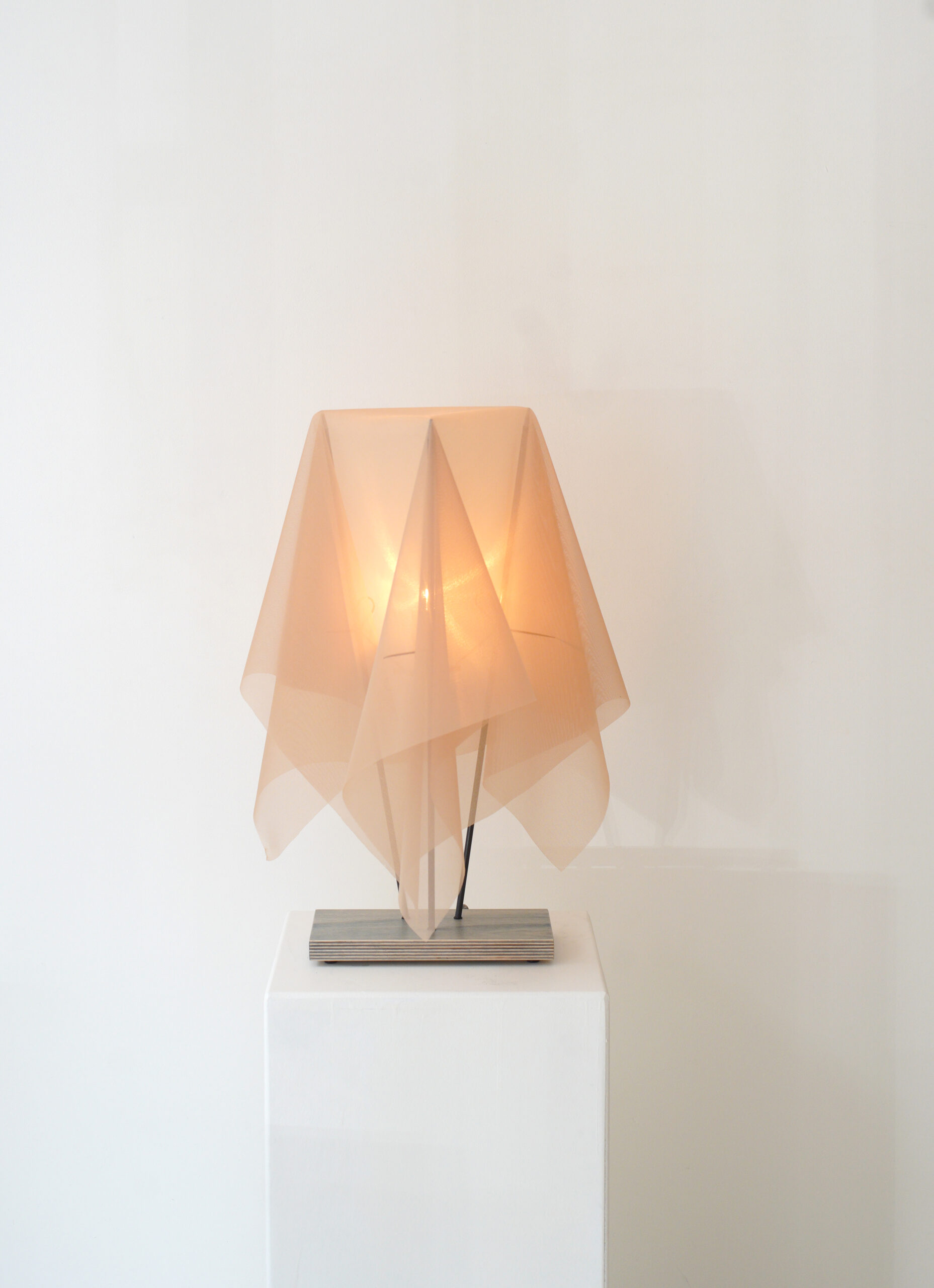
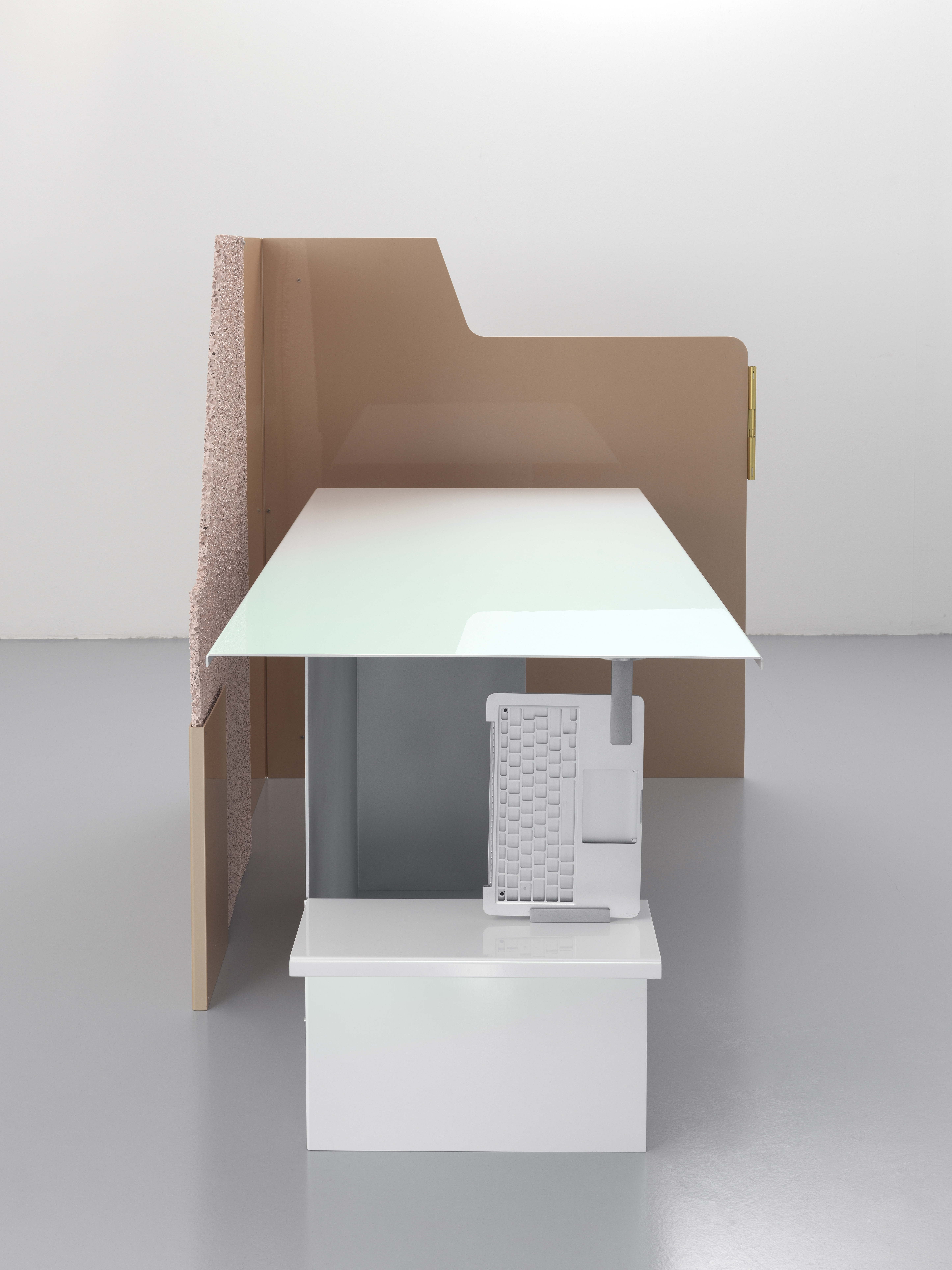
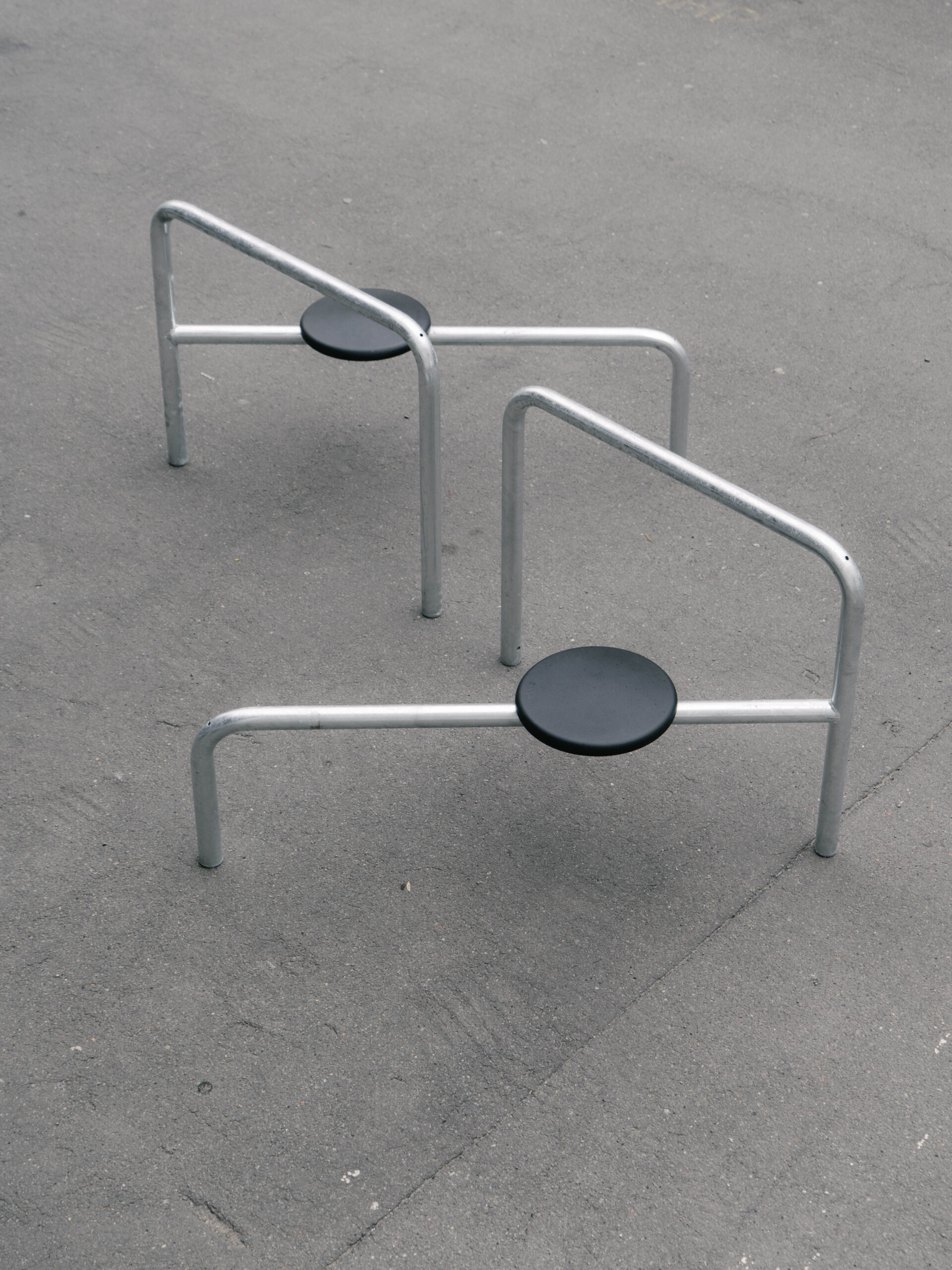
Essen, 3 September 2026 – The Alfried Krupp von Bohlen und Halbach Foundation showcases the exhibition MAKING SENSE OF THINGS at Villa Hügel from 30 April to 15 August 2027. The exhibition brings together works by the Memphis group from the early 1980s with works by eight internationally renowned designers. At the heart of the exhibition is the phenomenon of design as a cultural practice. It focuses on design objects as well as the concepts, attitudes and questions that shape their creation. Film interviews produced specifically for the exhibition alongside the works on display offer a wide range of insights into the studios, working methods and thought processes of the eight participating designers.
Objects can be seen by Ettore Sottsass, Martine Bedin, Michele De Lucchi, George J. Sowden, Marco Zanini and Masanori Umeda from the early years of Memphis, as well as by Konstantin Grcic, Nathalie Du Pasquier, Formafantasma, Jonathan Muecke, Muller Van Severen, Mats Theselius, Chris Kabel and Julie Richoz. The exhibition is curated by Professor Uwe Fischer, renowned designer and Professor Emeritus of Industrial Design at the State Academy of Fine Arts in Stuttgart.
Memphis
Memphis was founded in 1981 by a group led by Ettore Sottsass, and is considered one of the most influential design movements of the late 20th century. The movement articulated a sharp critique of a consumer-oriented industrial society that permeated almost every aspect of everyday life. Building on the ideas of Radical Design and the group Alchimia, founded in Milan in 1976, objects were created that deliberately resisted stylistic categorisation and conventional notions of design as purely functional. A focus was placed on fundamental issues concerning the cultural significance and role of design in a post-industrial society.
MAKING SENSE OF THINGS
The exhibition MAKING SENSE OF THINGS draws a connection between the early works of the Memphis group and eight perspectives on contemporary design. It explores the extent to which the pursuit of meaning beyond mere utility continues to motivate designers in the face of changing social, technological and ecological conditions. The film interviews, produced for the exhibition, form an inherent part of the exhibition concept, and with the works on display bring to light the ideas and decisions that preceded the designs. Within the historic atmosphere of Villa Hügel, a multifaceted impression emerges between the objects of the Memphis group and contemporary works.
The contemporary works on display include Konstantin Grcic’s Thing_04, Julie Richoz’s Fabric lamp, as well as objects from the Ore Streams project series by Formafantasma, which explore the ecological and social consequences of the global e-waste cycle. Nathalie Du Pasquier, co-founder of Memphis, is also shown with designs such as Construction 1 and the Coppie di Fatto Black ceramic series. The works by the Memphis group include some of their most renowned designs, for example the Carlton room divider (1981) by Ettore Sottsass, Masanori Umeda’s sculptural Tawaraya Ring (1981) and Peter Shire’s Bel Air armchair (1982). The loans have been sourced from national and international museums as well as private collections.
Zu den präsentierten zeitgenössischen Werken zählen Konstantin Grcics Thing_04, Julie Richoz‘ Fabric Lamp sowie Objekte aus der Projektserie Ore Streams von Formafantasma, die sich mit den ökologischen und gesellschaftlichen Folgen des globalen Elektroschrottkreislaufs auseinandersetzen. Nathalie Du Pasquier, Mitbegründerin von Memphis, ist mit Werken wie Construction 1 und der Keramikserie Coppie di Fatto Black vertreten. Unter den gezeigten Arbeiten der Gruppe Memphis befinden sich einige ihrer bekanntesten Entwürfe, darunter Ettore Sottsass‘ Raumteiler Carlton (1981), Masanori Umedas skulpturaler Tawaraya Ring (1981) sowie Peter Shires Sessel Bel Air (1982). Die Leihgaben stammen aus nationalen und internationalen Museen sowie privaten Sammlungen.
For further information, see www.villahuegel.de
Alfried Krupp von Bohlen und Halbach Foundation
The non-profit Alfried Krupp von Bohlen und Halbach Foundation has been promoting people and projects in art and culture, science, education, health and sport since 1968, to date committing around €715 million for this purpose. As the largest shareholder of thyssenkrupp AG, the Foundation uses the income it receives from its corporate shareholding exclusively for charitable purposes. For decades, within the scope of its charter relating to art and culture, the Foundation has been supporting emerging artists through scholarship programmes, enabled museums to acquire collections and produced publications and exhibitions – for example at Villa Hügel, which is owned by the Foundation. Villa Hügel, the former residence of the Krupp family of industrialists, was opened to the public in the 1950s and is now a place of encounter, history, and art.
Contact
Barbara Wolf
Head of Communication, Strategic Development and Transformation
Mobile: +49 (0)162 49 51 225
E-mail: wolf@krupp-stiftung.de