
From 30 April 2027 at Villa Hügel: Memphis and contemporary design presented by the Krupp Foundation
The exhibition MAKING SENSE OF THINGS brings together works by Nathalie Du Pasquier, Formafantasma, Konstantin Grcic, Chris Kabel, Jonathan Muecke, Julie Richoz, Mats Theselius and Muller Van Severen with early works by the Memphis Group
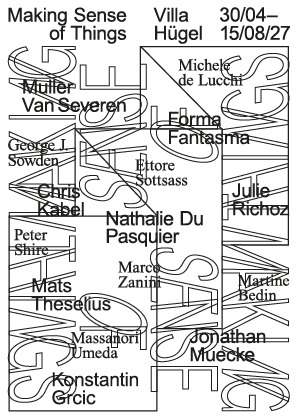
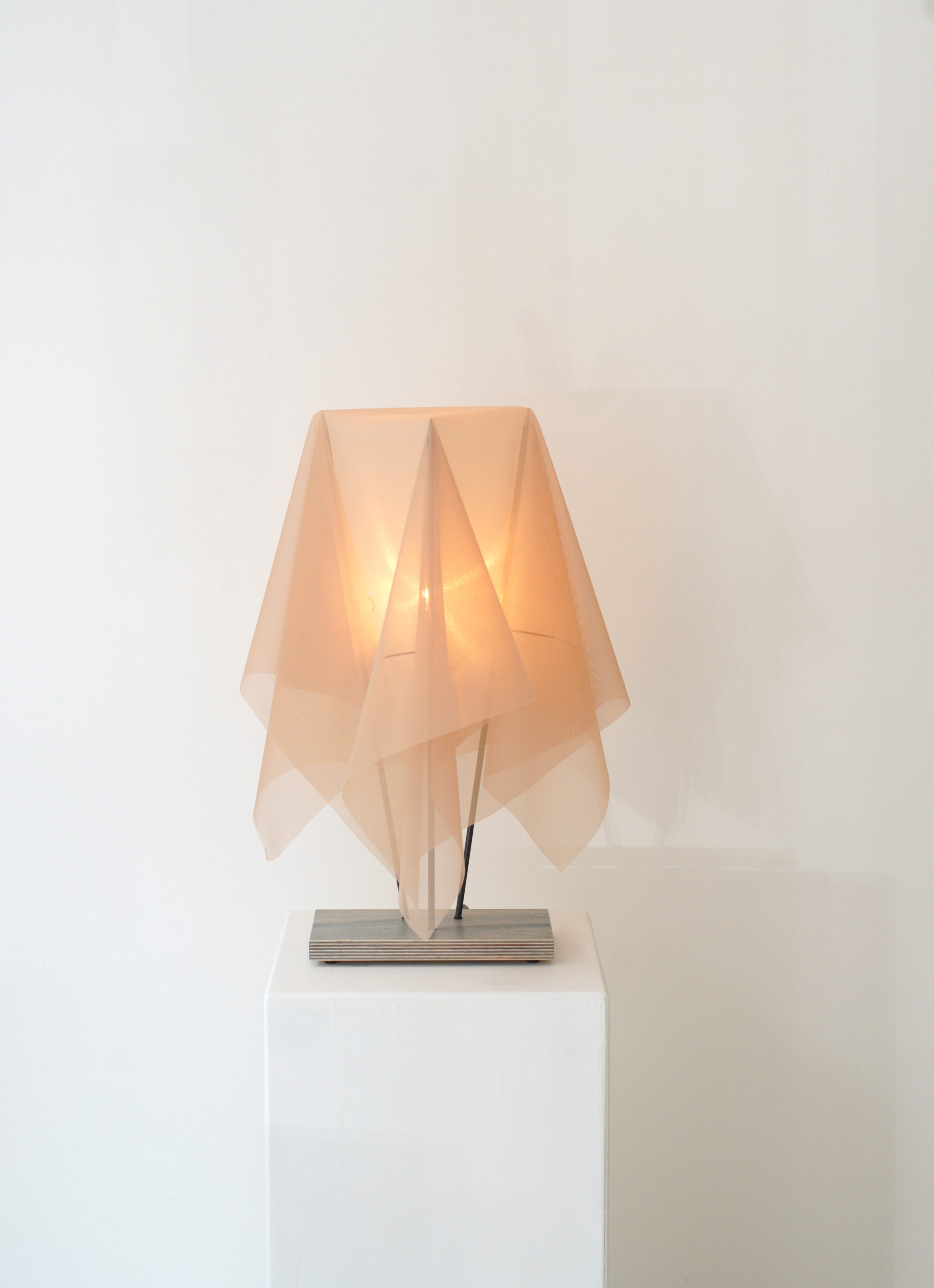

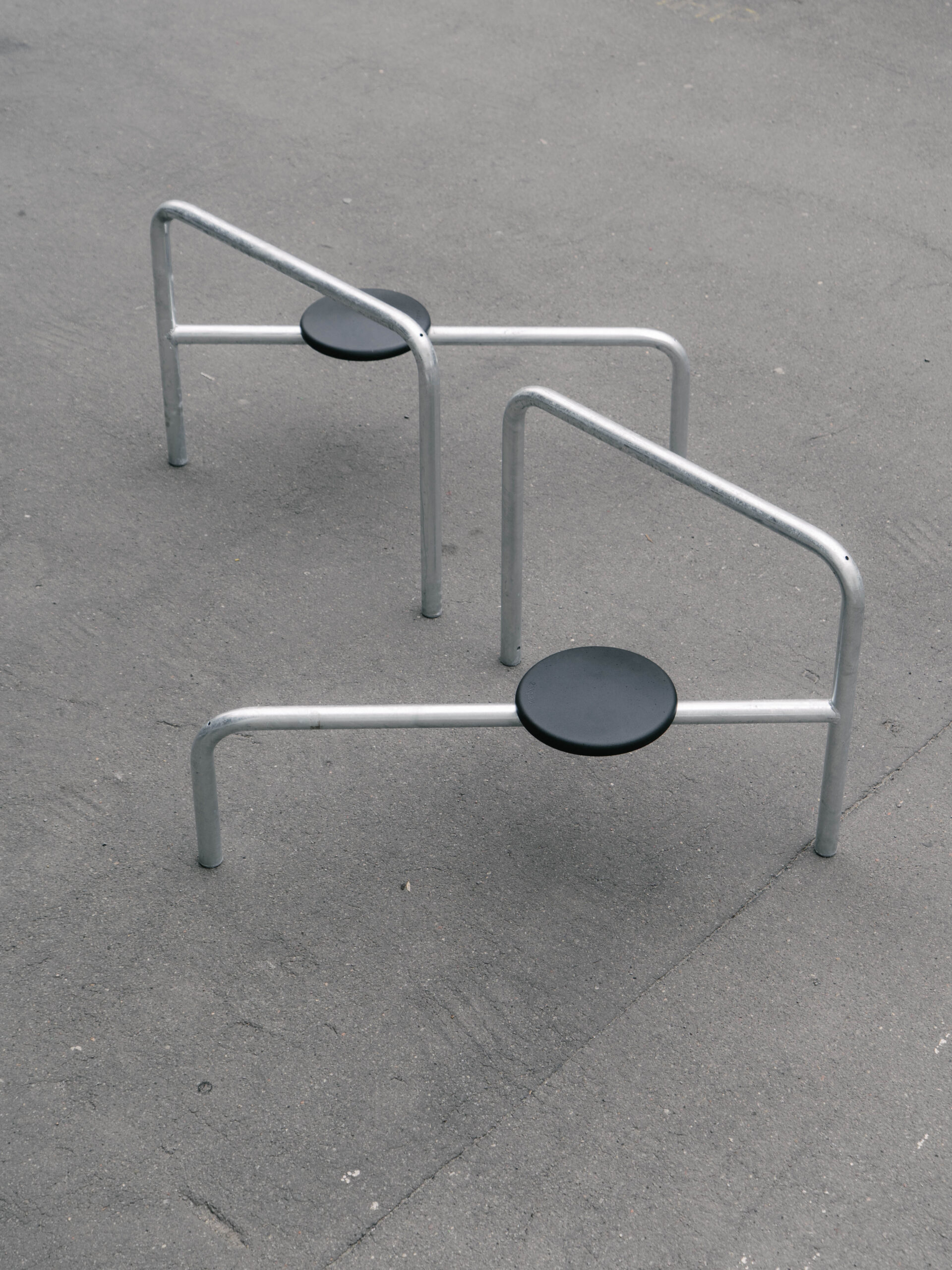
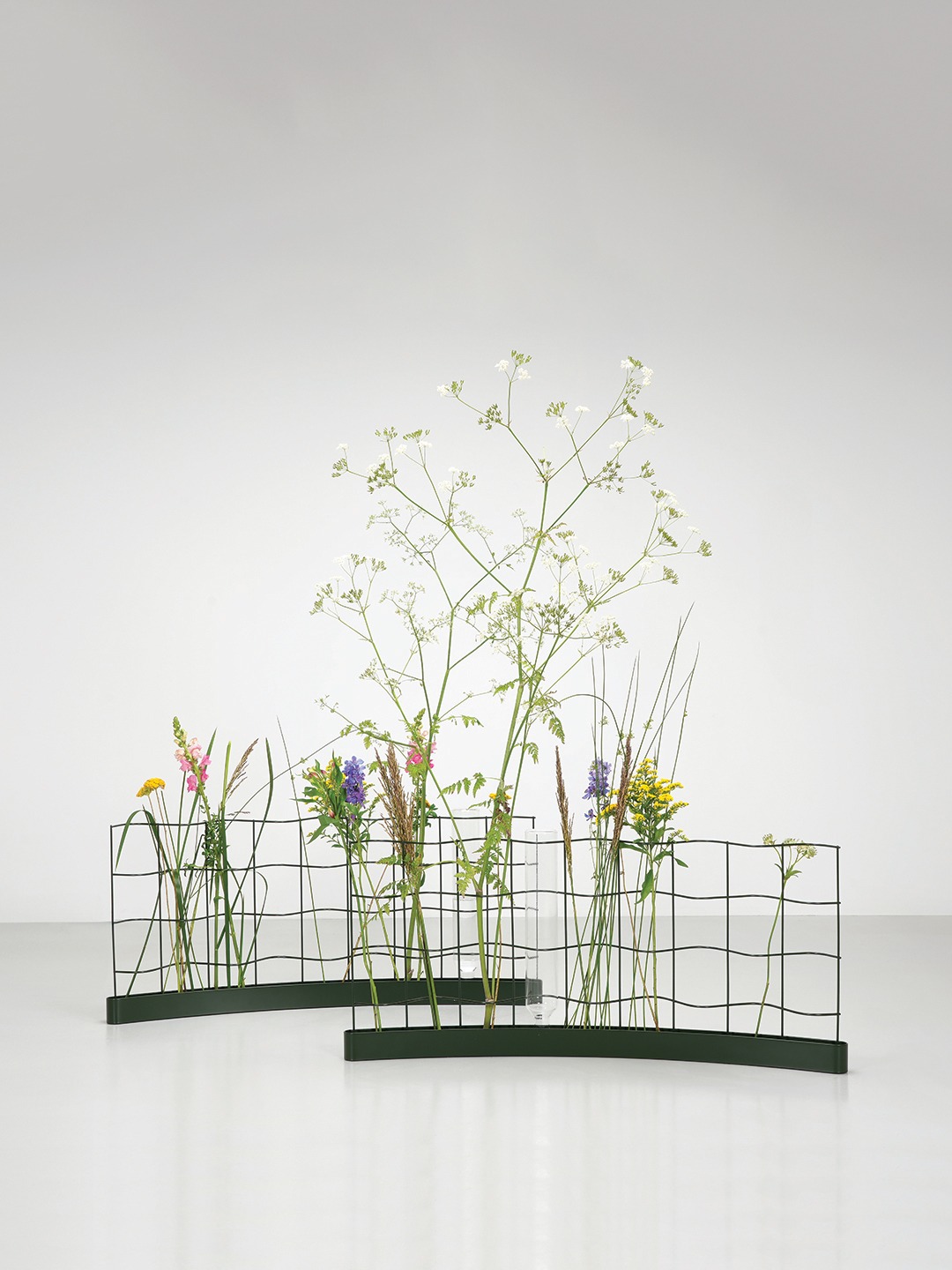
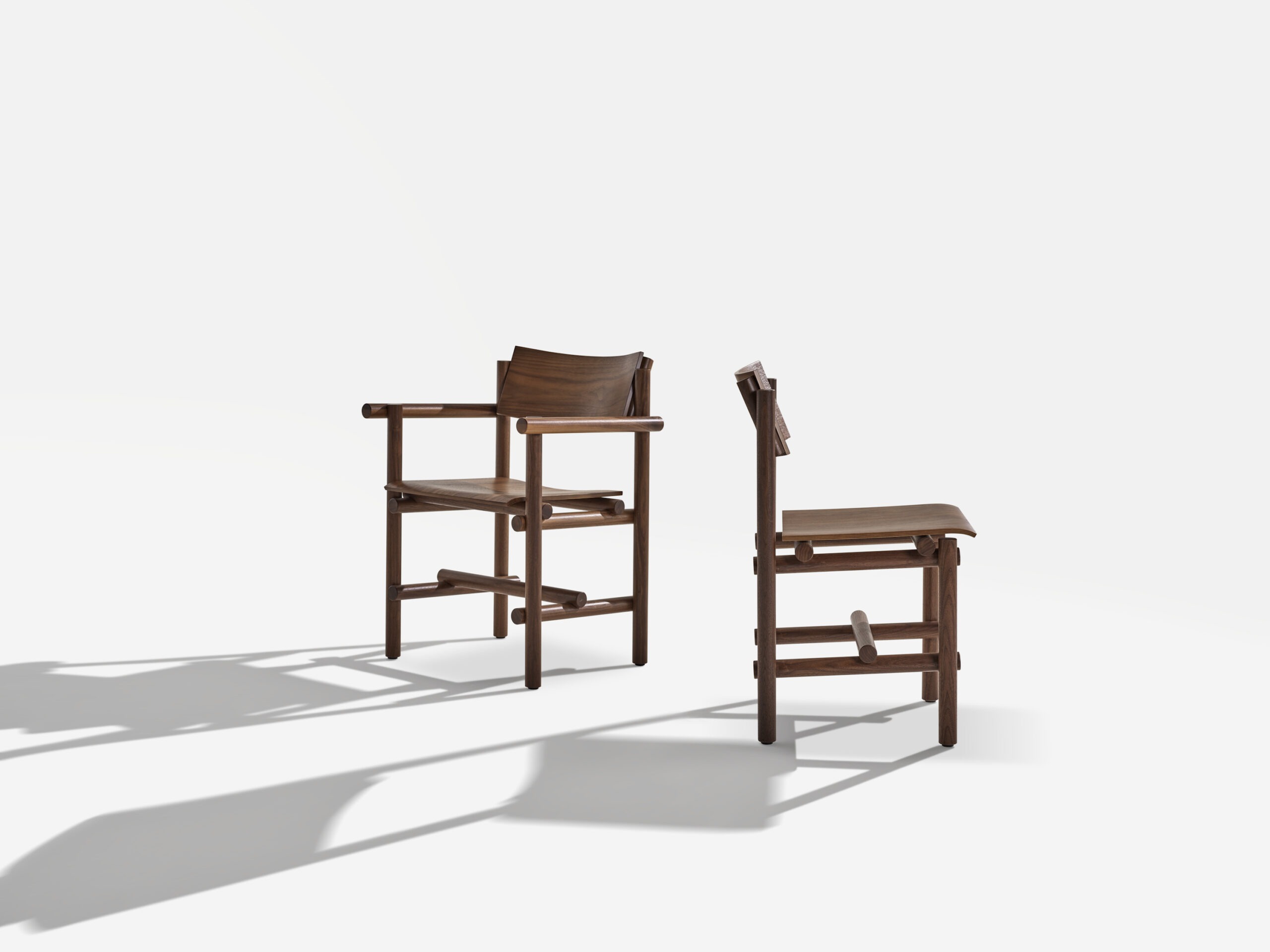
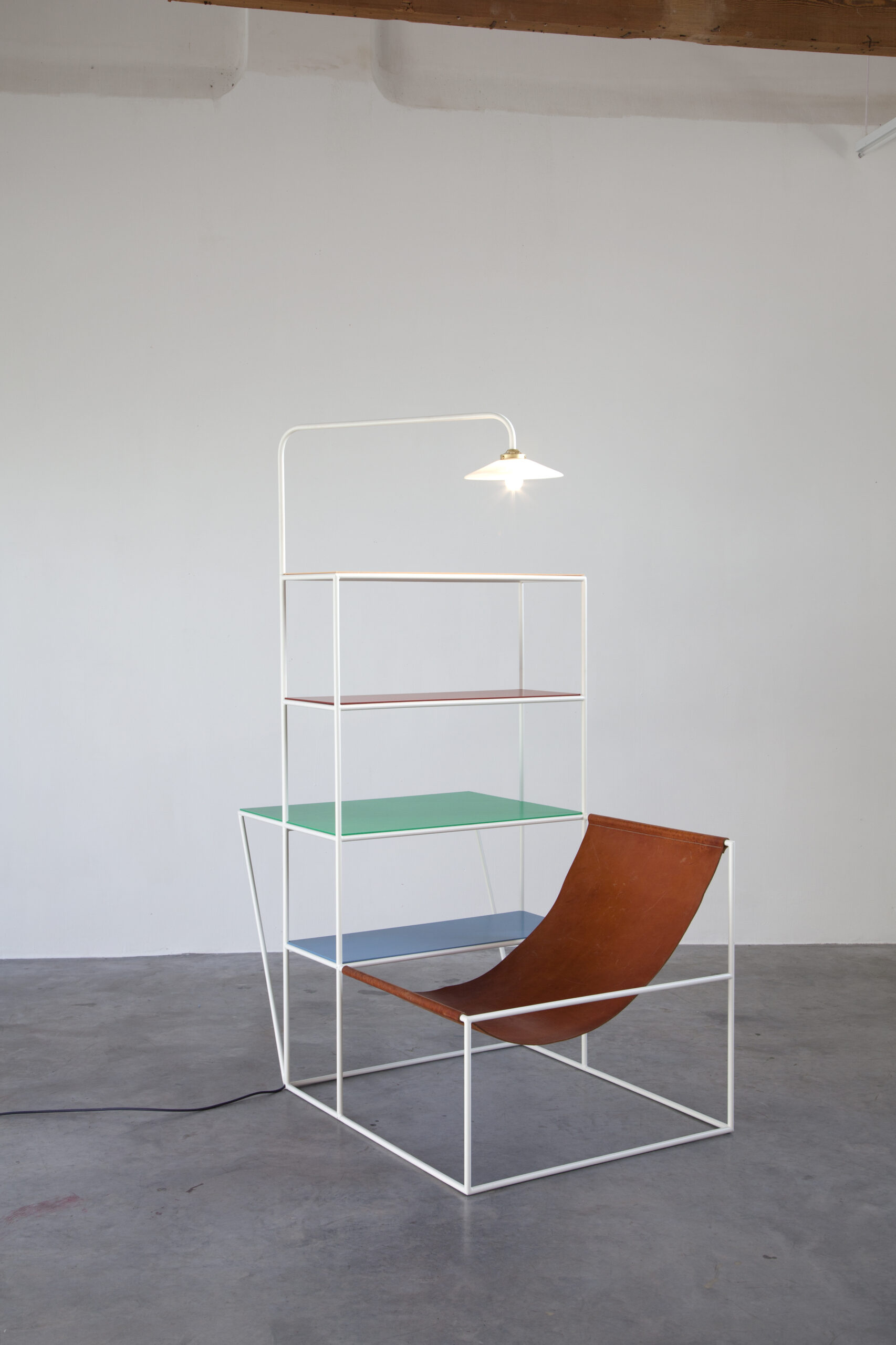
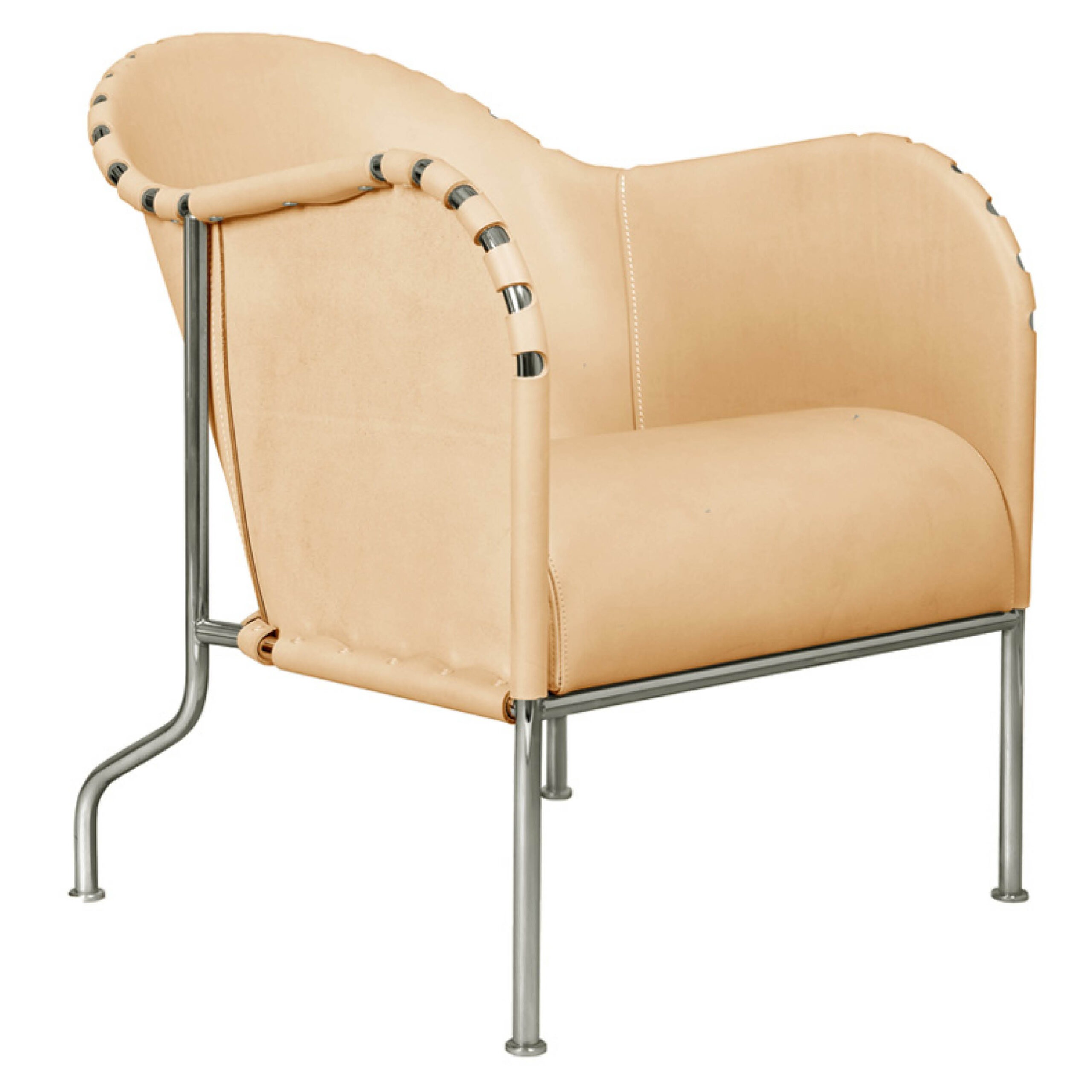
Essen, 5 November 2026 – From 30 April to 15 August 2027, the Alfried Krupp von Bohlen und Halbach Foundation will present the exhibition MAKING SENSE OF THINGS at Villa Hügel. Works from the early years of the Memphis Group are juxtaposed with pieces by eight internationally renowned designers. Taking the Memphis Group’s influence as a defining moment in recent design history as its starting point, the exhibition explores the role and autonomy of design practice today. It examines authorship, the ideas and attitudes behind objects, the relationship between one-off pieces and industrial production, and the fluid transitions between design, art, architecture and research.
Within the historic setting of Villa Hügel, a multi-layered dialogue unfolds between the works of the Memphis Group and contemporary perspectives. The works on loan come from national and international museums as well as private collections. The exhibition is curated by Professor Uwe Fischer, designer and professor emeritus of industrial design at the State Academy of Fine Arts in Stuttgart.
MAKING SENSE OF THINGS
The exhibition bridges the gap between the early works of the Memphis Group, founded in 1981 around Ettore Sottsass, and eight contemporary design perspectives. It presents Memphis as a movement that not only challenged the conventions of form, function and taste, but also brought about a lasting change in the traditional understanding of the designer’s role. Designers began to break free from their traditional role as service providers to industry and to assert their own creative autonomy. What at the time represented a deliberate break with established notions is now a matter of course for today’s generation of designers.
Eight individual approaches
In MAKING SENSE OF THINGS, this idea is taken further from a contemporary perspective. In film interviews produced specifically for the exhibition, the eight internationally renowned designers offer insights into their studios, their working methods and their thinking. The films were produced by the German-Italian film team Jasmine Deporta and Silvio Rebholz. The eight perspectives represent different forms of design practice that can no longer be clearly assigned to a single field. They collaborate with industry while simultaneously developing their own independent projects, limited editions and unique pieces. Their work spans product design, materials research, architecture and sculpture. What unites them is not a shared aesthetic, but the question of how an independent creative stance can be developed and articulated within the social, technological and ecological conditions of the present day. The quality and consistency with which they pursue their ideas and develop their work make them important points of reference for younger designers. Their works are represented in leading museums and collections worldwide. A large proportion of the selected works will be on display at Villa Hügel for the first time in Germany.
Nathalie Du Pasquier (Milan), a French artist and designer, played a decisive role in shaping the aesthetic of the Memphis group as one of its co-founders. Since 1987, painting has been at the heart of her artistic practice, which ranges from paintings and sculptures to books, carpets and ceramics. In her work, she explores the relationships between representation and abstraction, materiality and conception, reality and imagination, as well as between two- and three-dimensional forms.
Formafantasma (Milan/Rotterdam), founded in 2009 by Andrea Trimarchi and Simone Farresin, explores materials, technologies and manufacturing processes within the context of ecological and social interrelationships. The Italian design studio aims to foster a deeper understanding of our natural and built environments and, through design, to open up new perspectives and initiate processes of change.
Konstantin Grcic (Berlin) graduated from the Royal College of Art in London following his training at the John Makepeace School for Craftsmen in Wood. His work combines industrial design with self-initiated projects. In 2025, he founded his own label, 25KG. His Berlin-based studio, Konstantin Grcic Design, works across a range of fields – from industrial design and limited editions to exhibition design, as well as collaborations with cultural institutions, architecture and fashion.
Chris Kabel (Rotterdam) focuses intensively on materials, natural phenomena and the observation of material properties and specific usage scenarios. His designs derive their aesthetic from an intuitive and poetic exploration of function, material and environment.
Jonathan Muecke (Minneapolis) explores the relationships between material, object, body and space. The American designer frequently focuses on a single material such as wood, aluminium or carbon fibre. Time and again, he turns his attention to fundamental types of furniture such as chairs, tables and benches, whose essential characteristics he brings to the fore through experimental approaches.
Julie Richoz (Paris) places craftsmanship, precision and the properties of the materials used at the heart of her work. The Swiss-French designer’s portfolio ranges from objects to furniture and lighting, right through to textiles. She does not view bespoke pieces and industrial production as opposites, but rather as interconnected possibilities within design practice.
Mats Theselius (Malmö) operates at the intersection of art and design. His objects oscillate between everyday objects and autonomous works of art. His versatile body of work encompasses furniture, interior design, landscape design, stage design, books and music. In it, functional design is combined with artistic research.
Muller Van Severen (Evergem) was founded in spring 2011 by the Belgian artists Fien Muller and Hannes Van Severen. Through their furniture designs, they explore the boundaries between sculpture and everyday objects. Their work is created both for their own collections and in collaboration with international brands.
Memphis
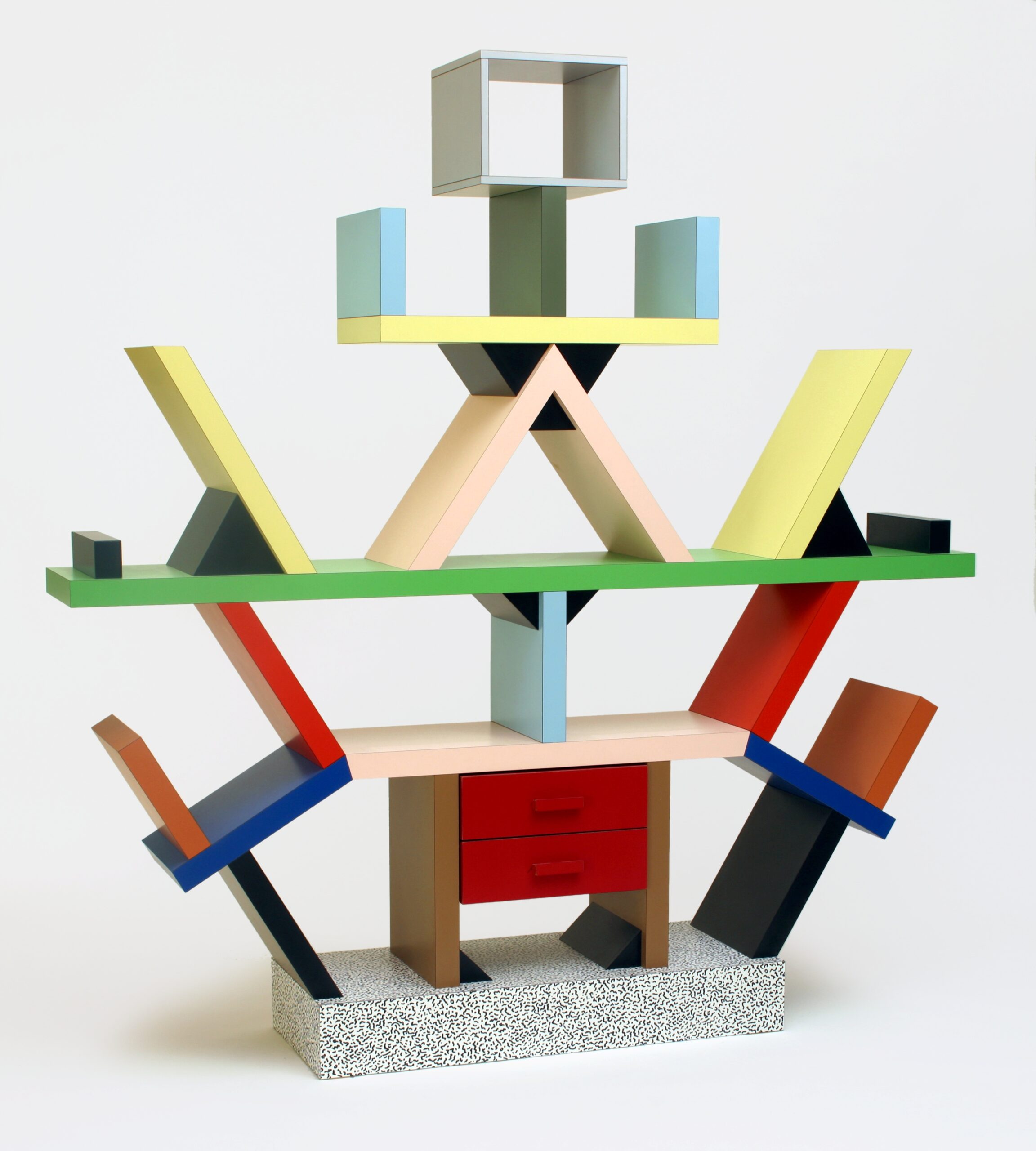
Memphis ranks among the most influential design movements of the late 20th century. The group voiced a clear critique of a consumer-oriented industrial society whose principles were increasingly shaping all areas of life. Building on the ideas of Radical Design and the Alchimia group, founded in Milan in 1976, they created objects that deliberately defied established notions of style and functionality. At the heart of the movement were fundamental questions regarding the cultural significance of design and its role in a post-industrial society. The works on display include some of the group’s best-known designs: Ettore Sottsass’s room divider “Carlton” (1981), Masanori Umeda’s sculptural “Tawaraya Ring” (1981) and Peter Shire’s armchair “Bel Air” (1982).
Further information: www.villahuegel.de
Alfried Krupp von Bohlen und Halbach Foundation
The non-profit Alfried Krupp von Bohlen und Halbach Foundation has been supporting individuals and projects in the fields of art and culture, science, education, health and sport since 1968, having committed around €715 million to these causes to date. As the largest shareholder in thyssenkrupp AG, the Foundation uses the income generated from its stake in the company exclusively for charitable purposes. For decades, within its statutory remit of art and culture, the Foundation has supported emerging artists through scholarship programmes, facilitated the acquisition of collections for museums, and organised publications and exhibitions – for example at Villa Hügel, which is owned by the Foundation.
Contact
Barbara Wolf
Head of Communications, Strategic Development and Transformation
Mobile: +49 (0)162 49 51 225
Email: wolf@krupp-stiftung.de